Blog
Thoughts on Christian Voluntarism, technology, and personal growth

Software for Strangers
I spent two years building software for people I'd never met. Last month I finally saw them use it. Standing on that manufacturing floor, watching guys drag cards on iPads while the big screen updated in real time, something clicked. All those tickets, all that code: it was always for someone. I just couldn't see them. What I discovered about relational debt, the distribution of friction, and why autonomous AI isn't even a coherent goal.

In Defense of the System That Remembers
Legacy systems are full of mysterious logic that looks ripe for "simplification." But sometimes that convoluted code is the only place where critical decisions (legal requirements, compliance rules, hard-won lessons) still live. Before you modernize, ask yourself: is this grandma's recipe or just her undersized pan? The difference between a successful migration and a compliance nightmare often comes down to one thing: understanding before you change.

The Skill Shift: What Enterprise Developers Need to Learn Now
The ability to write code from memory is becoming less valuable by the month. What's not automated is looking at a business problem and framing it correctly, pushing back when a product owner hands you a solution disguised as a requirement. The premium is shifting from "can you implement this algorithm" to "can you define the right problem and communicate effectively while you build it?"

Single Parenting and Software Development: Making It Work
Three kids. A demanding architect role. No partner to hand off to when both worlds collide. There's no playbook for single parenting while building software. But after years of figuring it out, I've learned the difference between explanations and excuses, why physical setup matters more than you'd think, and what to do when a five-year-old interrupts mid-code. It's not elegant. It's not optimized. But most days, it works.

The Firefighting Trap: Why Reactive Work Feels Productive
That satisfying rush when you swoop in to fix a crisis? It's a trap. Firefighting feels productive: the dopamine hit, the hero moment, the grateful emails. But feeling productive and being productive are two different things. A year from now, you might look back at twelve months of heroic saves and realize you never moved forward. Here's why reactive work is so seductive, and how to break the cycle before December arrives with nothing to show for it.
Anatomy of a Failing Project: Patterns I've Seen
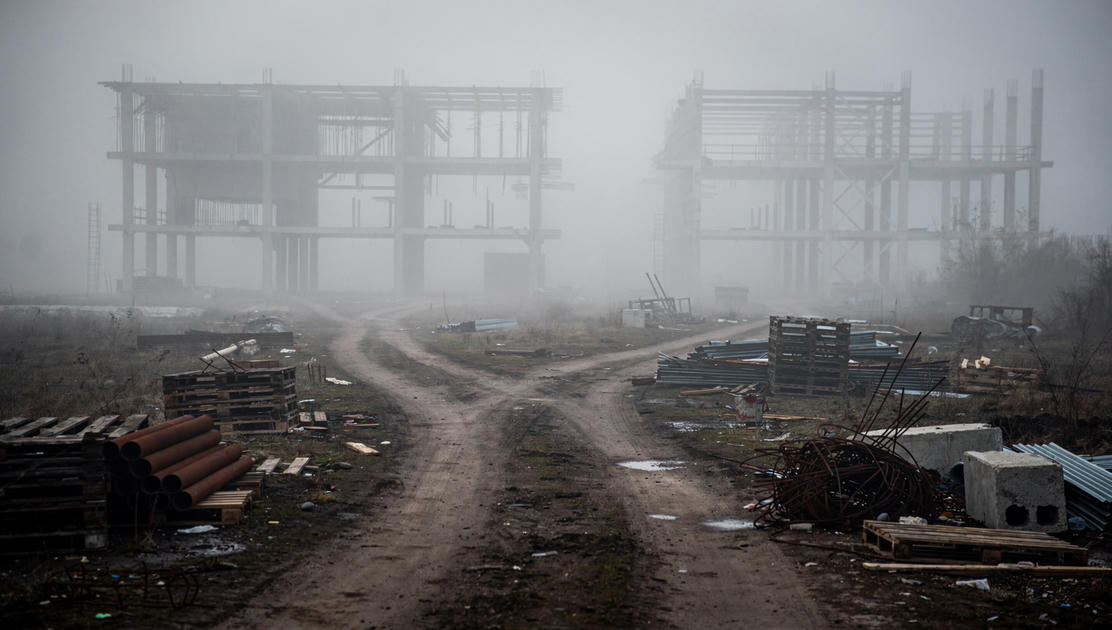
Six months in, I realized we were building the wrong thing. We didn't get fired, but that failure taught me something: project disasters follow predictable patterns. Excessive rework, stakeholders who won't engage, teams where nobody owns anything: the warning signs are always there. I've seen projects limp across the finish line enough times to know what to watch for. Here's what failure actually looks like, and how to spot it before you're already off the rails.